Story, Louvier Kindo Tombe
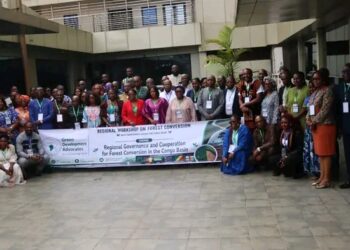
This challenge was at the heart of a high-level workshop held on March 12, 2026, at the FEICOM headquarters in Yaoundé, where mayors, bankers, and civil society actors gathered to rethink how local climate projects are designed and financed.
Organized by the Cameroon Economic Policy Institute (CEPI) in collaboration with ICLEI Africa and FEICOM, the training aimed to equip local authorities with practical skills to transform climate ideas into bankable investment opportunities.
Participants heard that while climate finance opportunities exist, municipalities often struggle to tap into them due to poorly structured proposals, lack of financial guarantees, and limited technical expertise.
Many projects, experts noted, fail to clearly demonstrate profitability, risk mitigation strategies, or long-term sustainability, key criteria required by banks and private investors.
As a result, financial institutions remain hesitant to commit funds, even for projects with clear environmental and social benefits.
Training Mayors to Think Like Investors
 To address this gap, the workshop focused on shifting the mindset of municipal leaders, encouraging them to approach climate projects not just as public services, but as structured investments.
Through interactive sessions, participants were trained on:
– Designing financially viable and attractive projects
– Structuring public-private partnerships (PPPs)
– Understanding how banks assess risk and returns
The goal, organizers said, is to enable municipalities to present projects that meet the expectations of lenders while still addressing pressing local climate challenges.
Bridging the Divide Between City Halls and Banks
 Discussions also revealed a disconnect between municipalities and financial institutions. While some banks have shown willingness to finance local projects, the lack of well-prepared proposals continues to stall progress.
One example highlighted was Access Bank’s readiness to support municipal initiatives, despite not receiving sufficient project submissions from local authorities.
Participants stressed that improving communication, building trust, and strengthening technical capacity at the municipal level will be critical to unlocking climate finance.
The workshop forms part of the BRIDGE and IMPACT-CAM initiatives, which aim to accelerate access to green finance across Africa by strengthening local capacity.
Experts say empowering municipalities to design bankable climate projects could have far-reaching impacts, not only improving resilience to climate change but also driving local economic growth and job creation.
As Cameroon faces increasing climate pressures, the message from Yaoundé is clear: access to funding will depend not just on need, but on the ability of cities to speak the language of investors.