Story, Louvier Kindo Tombe
For expectant mothers and young children walking the dusty pathways of the Tubah Health District, a scorching afternoon or a blanket of thick smog is more than just an uncomfortable inconvenience, it is a quiet, mounting danger.
When extreme heat and heavy air pollution grip the region, vulnerable residents face sudden dehydration, dizzy spells, and severe breathing crises that can quickly turn life-threatening. Yet, in a community where medical facilities can feel distant and weather shifts happen overnight, families are no longer facing these climate threats alone.
A Grassroots Shield Against Climate Risks
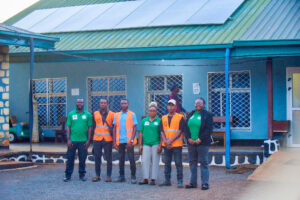
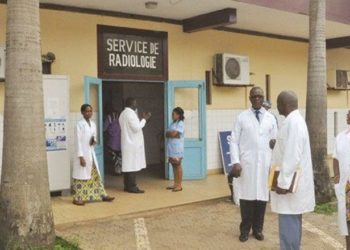
Stepping up to tackle this growing crisis, the youth-led nonprofit Grassroot Initiative for Sustainable Development, known as GISDEV, has partnered with the Sanofi Foundation to launch a pioneering project right inside the Tubah District Hospital.
The initiative is built on clear and urgent objectives: empowering community members to spot climate-related health risks early, equipping families with protective information, establishing a reliable early-warning monitoring system, and linking vulnerable patients directly to timely hospital care.
”Our goal is to connect community awareness, early identification of climate-related health risks and timely support from the hospital,” explains Wudindolo Fantina, Founder and Executive Director of GISDEV.
“We want community members in Tubah to be better informed, better prepared and able to act before heat or poor air quality leads to more serious health consequences.”
Bridging Neighborhoods and Hospital Care
Rather than treating climate change as a distant global talking point, the Tubah Community Climate and Health Resilience Center Project tackles its immediate local impact through a dedicated hub integrated directly within the Antenatal Care and Infant Welfare Clinic units.
The project functions as a vital bridge between local communities and medical professionals. It will equally strengthen community awareness and connections with appropriate health services.
Early Wins and the Road Ahead
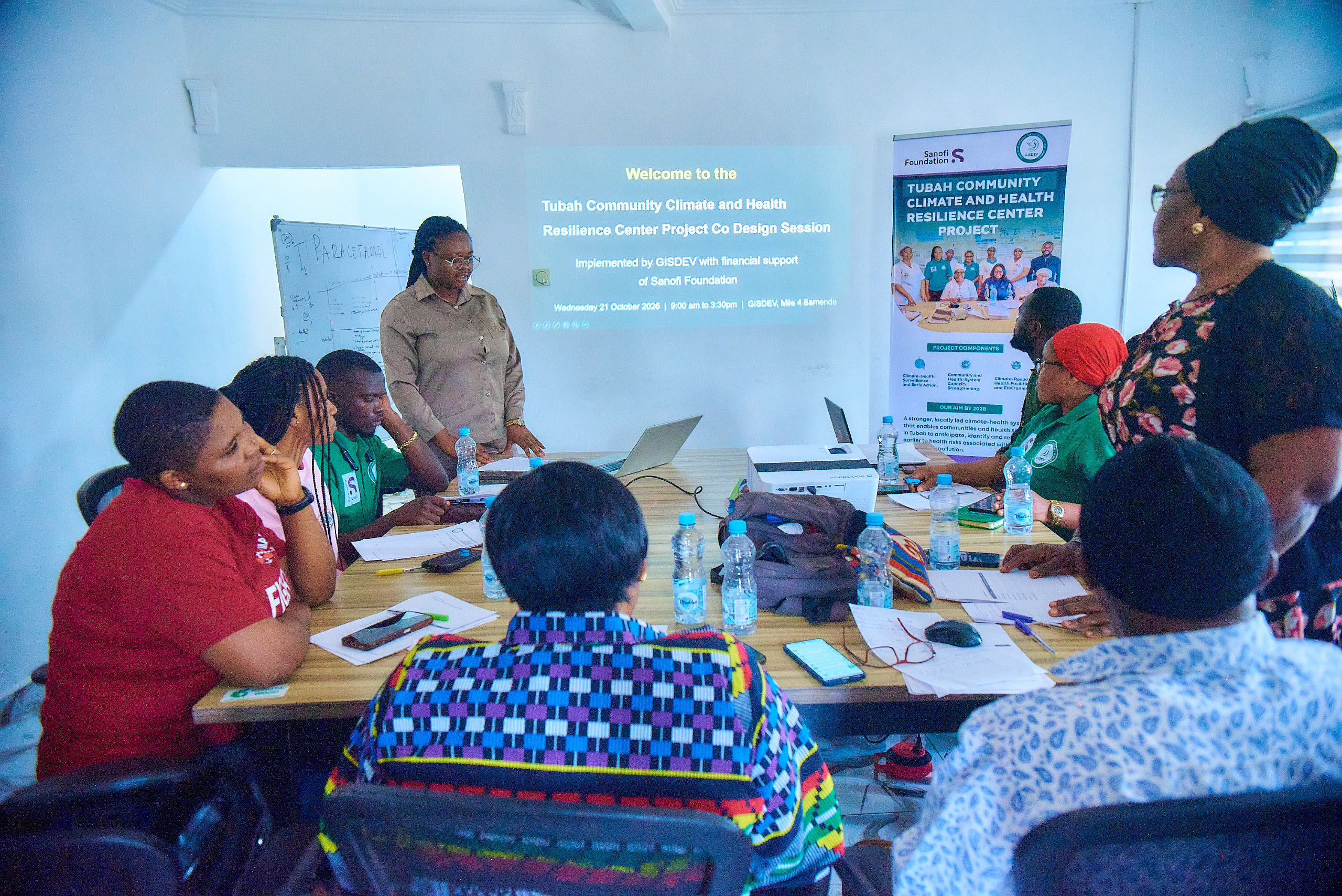
Momentum has grown quickly since the project kicked off. GISDEV has worked side-by-side with hospital management, medical staff, and local stakeholders through collaborative co-design sessions to shape monitoring tools and daily operations.
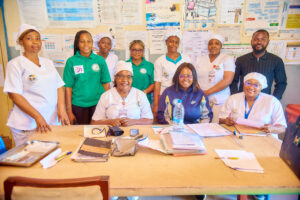
The physical space for the Resilience Center inside the hospital is fully equipped, and early outreach is already making an impact. An initial climate and maternal health sensitization session successfully reached eighty-three pregnant women and forty-seven children, teaching families critical lessons on hydration, heat protection, pollution awareness, and warning signs.
With this solid foundation in place, GISDEV is continuing to work with Tubah District Hospital and community stakeholders to operationalize the initiative.
The Tubah Community Climate and Health Resilience Center Project is implemented by GISDEV with financial support from the Sanofi Foundation.