Story, Louvier Kindo Tombe
The Prime Minister, Head of Government, Chief Dr Joseph Dion Ngute, has reaffirmed government support for a youth-driven digital agriculture initiative led by ICT University of Cameroon in partnership with a Brazilian university consortium, describing it as a strategic response to unemployment and food insecurity.
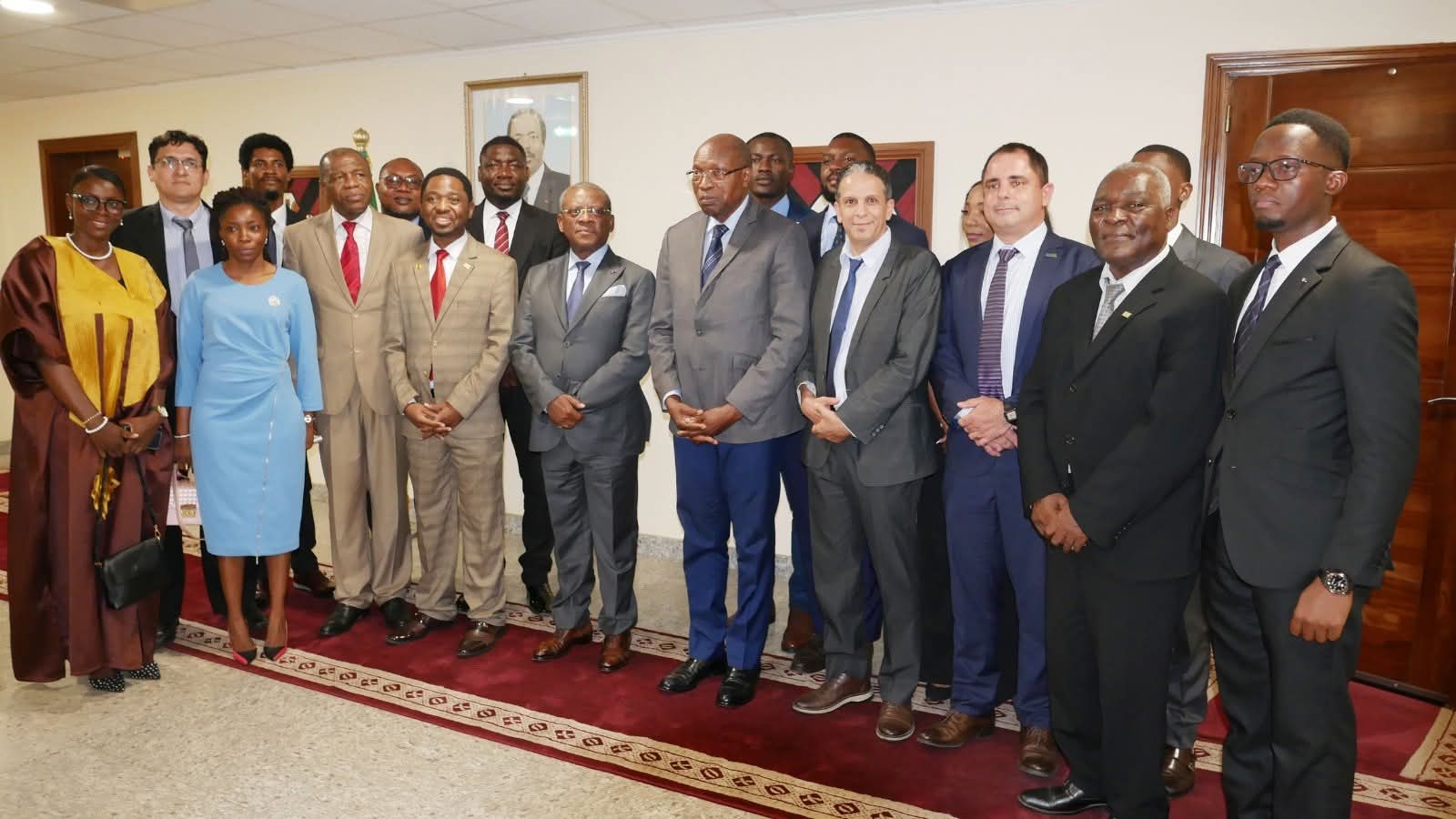
The Prime Minister made the commitment during an audience with the President and Founder of ICT University, Professor Victor Mbarika, and a Brazilian delegation headed by Professor Flavio Henrique Vasconcelos de Medeiros of the Federal University of Lavras (UFLA), Brazil.
Dr Dion Ngute said the initiative fits into President Paul Biya’s vision of transforming agriculture into a modern, technology-based sector capable of attracting young people and boosting national productivity.
He stressed that agriculture must evolve beyond traditional practices if it is to meet current economic and social challenges.
According to the Prime Minister, the project’s strong focus on digital tools, innovation, and skills development positions it as a catalyst for job creation, particularly for young Cameroonians. He assured the delegation of government backing, provided the programme is implemented in line with national development guidelines.
Speaking on behalf of the Brazilian delegation, Professor Flavio de Medeiros said the partnership is built on shared expertise and a long-term commitment to agricultural development. He noted that UFLA’s more than 100 years of experience in agricultural research and training would be leveraged to support capacity building and entrepreneurship in Cameroon.
“Our goal is to combine forces so that young people can see agriculture as a modern and profitable sector,” he said, adding that the collaboration could serve as a reference model for other African countries.
Professor Flavio also praised the enthusiasm of Cameroonian youth, describing it as a key asset for the success of the project.
Professor Victor Mbarika said the initiative seeks to change mindsets by introducing artificial intelligence, robotics, and digital platforms into agriculture.
He disclosed that the programme targets the creation of 10,000 jobs within five years, mainly through training and the incubation of agri-based enterprises.
“Digital agriculture shows that farming can be smart, competitive, and export-oriented,” he said. “With technology, young Cameroonians can transform agriculture into a viable career.”
At the centre of the partnership is the Agricampus-500-ICT-U Project, a five-year programme with a budget of 996 million FCFA, expected to generate revenues estimated at 830 million FCFA.
The project aims to train 10,000 students in digital agriculture, support 500 rural micro-enterprises, and strengthen food security through practical training, value addition, and entrepreneurship.
The initiative has received the endorsement of the Minister of Higher Education, Professor Jacques Fame Ndongo, who considers it a concrete response to youth unemployment, professional agricultural training needs, and Cameroon’s quest for food sovereignty.