Story, Louvier Kindo Tombe
As women continue to drive a growing share of Cameroon’s small and medium-sized enterprises, many remain trapped in informality due to cultural barriers, limited financing, and complex administrative systems.
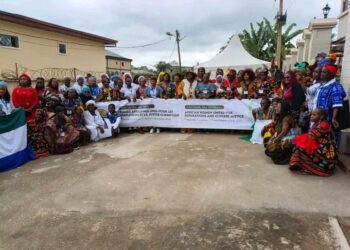
Addressing these challenges, the Cameroon Economic Policy Institute (CEPI) of the Henri Kouam Foundation on 2 January 2026 organized a hands-on training on Women Entrepreneurship and Free Trade in Bastos, Yaoundé.
The workshop brought together women entrepreneurs from both the formal and informal sectors to equip them with practical, low-cost tools to grow sustainable businesses.
Despite women leading an estimated 23 percent of manufacturing SMEs in Cameroon, many promising enterprises fail to scale or access markets due to lack of formalization and limited exposure to trade opportunities.
Participants received training on no-cost market research techniques, identifying first customers, basic record-keeping, and developing simple marketing strategies. Practical manuals were distributed to help women immediately apply the lessons to their daily business operations.
Opening the training, Mr. Henri Kouam, founder of the Henri Kouam Foundation, walked participants through the business registration process, outlining required documents and trusted online platforms for entrepreneurs.
Sharing her entrepreneurial journey, Mme. Christelle Guegne, founder of Phyto Assure, demonstrated how women can identify buyers, penetrate local markets, and access trade fairs in Yaoundé and Douala.
Mme. Kuitchou Mirande épse Dongmo, founder of an eco-friendly cooker enterprise, emphasized effective resource, time, and people management as critical factors for business survival and growth.
CEPI’s Free Market Fellows further introduced participants to the basics of export and import procedures, highlighting the importance of positioning women-led businesses for regional and international markets through information available at the Chambers of Commerce and the Ministry of Commerce.
During the interactive session, participants openly expressed frustrations over burdensome tax procedures and the lack of user-friendly payment systems. Many called for tax payments through mobile money and simplified digital platforms. In response, Mr. Kouam recalled CEPI’s advocacy efforts that contributed to the temporary suspension of VAT on essential goods and a three-year tax relief for newly registered businesses.
However, Mme. Guegne cautioned that without formalization, women entrepreneurs often remain excluded from major trade fairs and market opportunities.
The facilitators agreed on the urgent need to fully digitize tax and social security systems, including simplified registration and compliance processes for small businesses and their employees.
Participants also requested simplified entrepreneurship manuals accessible without laptops, underscoring the digital gap many women still face. The training concluded with a session on bank financing requirements and the need for women entrepreneurs to gradually align their products with international standards to unlock export opportunities.
Through evidence-based research, advocacy, and capacity building, CEPI continues to advance inclusive economic growth and strengthen women’s participation in Cameroon’s entrepreneurial and free-trade ecosystem.