More than 80,000 people have died or gone missing on migration routes worldwide since 2014, according to the International Organization for Migration (IOM). Between 2017 and 2021 alone, close to 10,000 Cameroonians were returned home after attempting irregular migration, an average of six to seven departures every day. Behind these figures are shattered families, lost futures and a growing national concern.
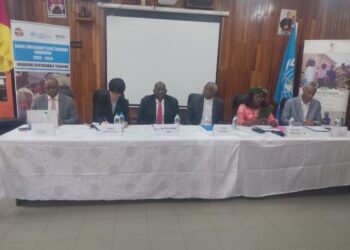
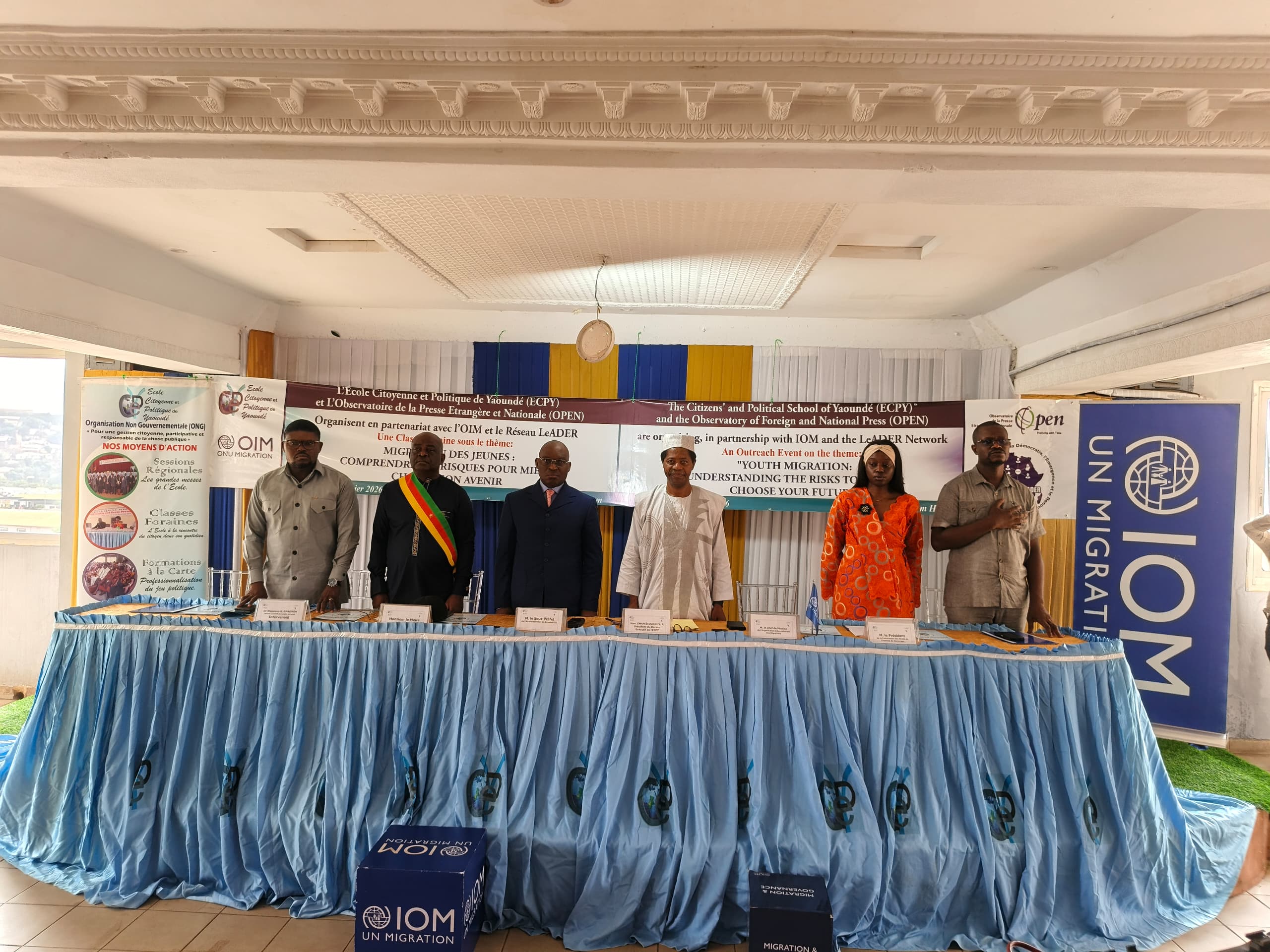
It was against this backdrop that a sensitisation workshop on the dangers of irregular migration was held in Yaounde on January 29, 2026. The event brought together civil society organisations, international partners and local authorities concerned about the increasing number of young Cameroonians risking their lives in search of opportunities abroad.
The workshop was organised by the Citizens’ and Political School of Yaounde (ECPY) and the Observatory of Foreign and National Press (OPEN), in collaboration with the International Organization for Migration (IOM) and the African Leaders Network for Democracy, Emergence and Renewal (Réseau-LEADER).
Discussions centred on the theme: “Youth Migration: Understanding the risks to better choose your future.”
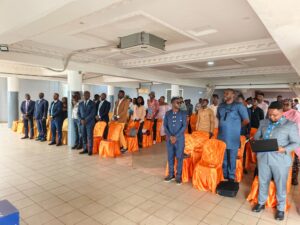
Inside the conference hall, the atmosphere was calm but heavy with reflection as young participants listened to accounts of migration journeys that have ended in loss, exploitation and death. For many in attendance, the discussions stripped away the glossy images often portrayed on social media, exposing the harsh realities behind irregular migration.
Presiding over the opening ceremony, the Divisional Officer of Yaounde III warned that irregular migration continues to deprive Cameroon of its productive population while plunging families into long-term hardship.
Beyond the departure of young people, he noted, the phenomenon fuels criminal networks and leaves families burdened with debt, trauma and uncertainty.
“Irregular migration is not a solution,” the administrator cautioned. “It strengthens criminal networks and exposes young people to modern forms of slavery, forced labour and lasting marginalisation.”
The scale of the problem was further highlighted by the Head of Mission of IOM Cameroon, Abdel Rahmane Diop, who described youth migration as a daily reality affecting communities across the country. He reiterated that migration should be a choice rather than a necessity, stressing that while informed, legal and safe pathways can offer opportunities, irregular and poorly informed migration often leads to exploitation, abuse and serious human rights violations.
Diop also pointed to internal displacement as a key driver of risky migration, noting that more than one million people are currently displaced within Cameroon due to ongoing security crises. According to him, displacement often marks the first stage toward more dangerous migration routes abroad.
Drawing from data of the IOM’s Missing Migrants project, Diop said women are increasingly represented among migrants from Cameroon, exposing them to specific risks such as trafficking, gender-based violence, domestic exploitation and social isolation.
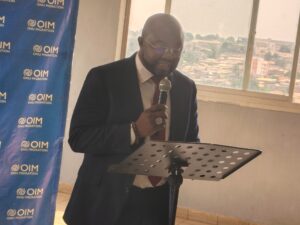
“The message to young people is clear,” Diop said. “Migration must be a choice, not an obligation. Get informed, verify your sources and be cautious, especially with information circulating on social media.”
For the Initiator of Réseau-LEADER, Dr Jean Emmanuel Gnagnon, the workshop was designed to sound an alarm while engaging young people in constructive dialogue about alternatives. He explained that the initiative seeks to help youth understand the dangers associated with irregular migration while encouraging them to explore sustainable opportunities at home.
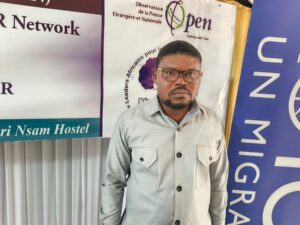
“Our objective is to analyse and build with young people credible, reliable and sustainable alternatives,” Gnagnon said. “This will enable them to stay, prosper on the African continent and contribute meaningfully to the development of Cameroon.”
Young participants welcomed the exchanges, with many saying the forum helped them critically assess migration narratives commonly promoted online. Others emphasised the need for improved opportunities and living conditions at home. As the workshop drew to a close, one message stood out: informed choices, rather than risky illusions, remain the safest path to securing the future of Cameroon’s youth.