Story, Louvier Kindo Tombe
In Campo, stories of struggle, resilience and hope are no longer just spoken — they are captured, framed and displayed through the lenses of the very communities that live them.
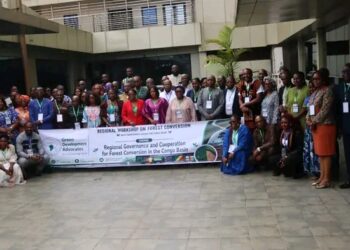
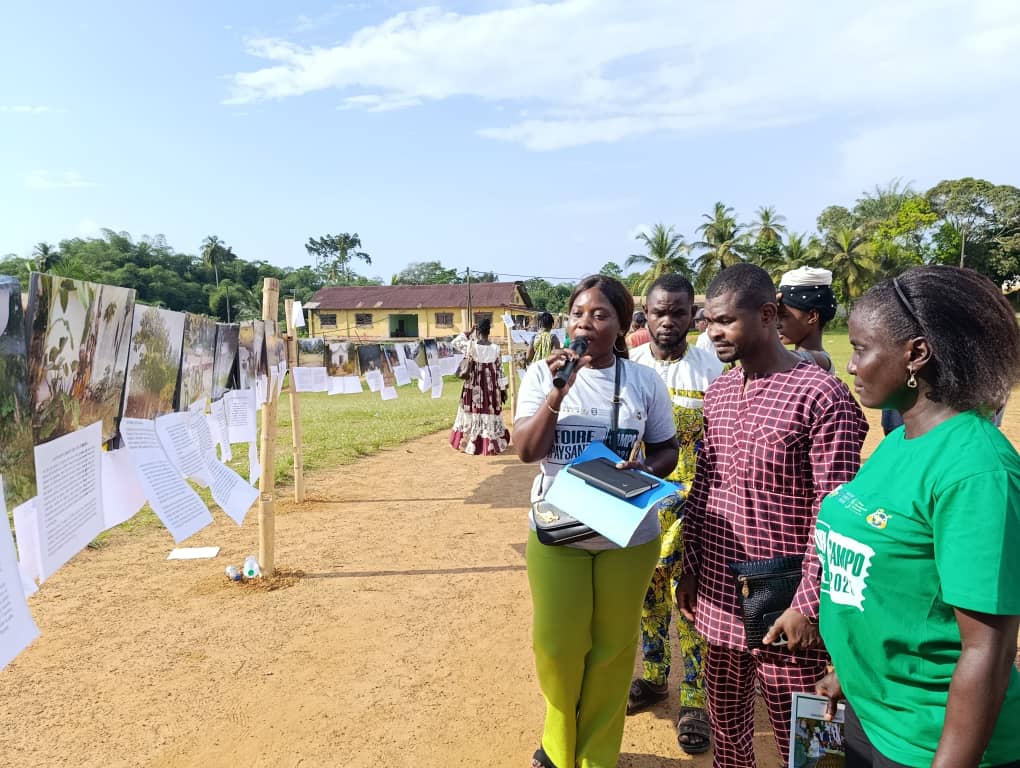
A Photovoice exhibition held on December 12–13, 2025, brought together indigenous groups and smallholder communities from Campo Subdivision to visually document and reflect on socio-environmental changes shaping their lives. The exhibition was organised around the theme “Socio-environmental change in Campo in Cameroon: preoccupations, responses and aspirations.”
The initiative forms part of a participatory research project implemented in Cameroon by Green Development Advocate (GDA) in partnership with its Japanese collaborators, the Research Institute for Humanity and Nature.
Turning lived realities into knowledge
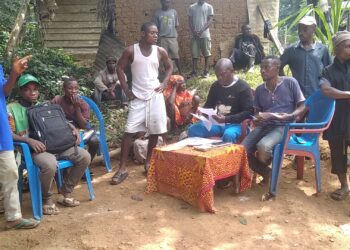
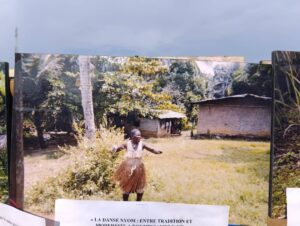
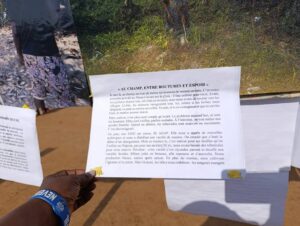
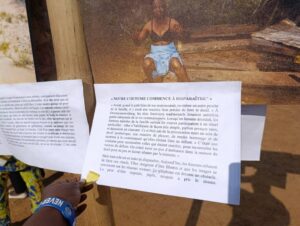
Photovoice is a participatory research method that empowers community members, particularly those often marginalised, to use photography to document their environment, daily realities and challenges. These images are later discussed in guided sessions with experts and exhibited publicly, transforming personal experience into collective knowledge and advocacy tools for policy dialogue and community development.
“The idea is to offer communities the opportunity to be part of their own knowledge development,” said Ehowe Issova Corine Linda, Project Lead at Green Development Advocate.
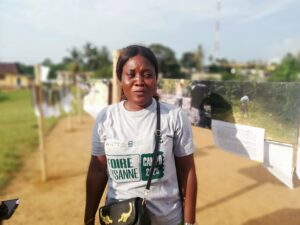
“They are not just research subjects; they are producers of knowledge and actors in the search for solutions.”
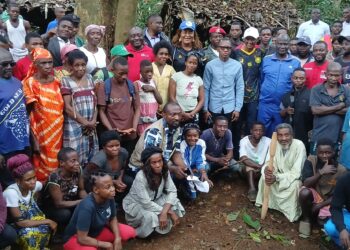
Four communities from Campo Subdivision in the South Region took part in the project: Nkoelon, Nazareth, Mintoum Ville and Ndoumessamejang.
Images of change, loss and resilience
The exhibition was held within the framework of the third edition of the mini-fair organised by women of AFRISC Campo, under the theme “Women and youth, key actors in agroecology in Campo.”
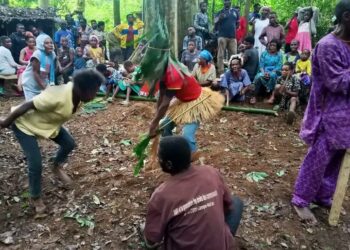
Through powerful photographs, participants highlighted challenges linked to rites and customs such as widowhood, evolving agricultural and fishing practices, land pressures and environmental degradation.
At the same time, the images documented acts of community resilience, adaptation and innovation in farming and fishing livelihoods.
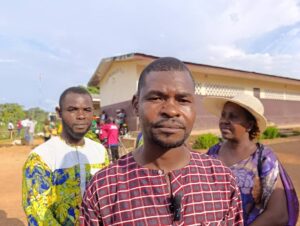
“These photographs speak our truth,” said a community leader from Nazareth. “They show our history, our struggles and how our way of life is changing.”
 Another community representative emphasised the importance of visibility:
“Too often decisions are taken about our land without us,” the leader said. “This exhibition allows us to show decision-makers what we live every day.”
Development pressures and marginalised voices
Indigenous groups and smallholders in Campo landscapes have long engaged with, adapted to and resisted various development models. Yet, their customary rights to land and forests remain largely marginalised, often at the expense of interests of local elites, the State and external investors, reflecting the complex politics, institutions and power structures surrounding land-use and forest governance in Cameroon.
The exhibition attracted the attention of local administrative authorities. Speaking at the event, Deputy Divisional Officer of Campo, Ntari Bon Vingedou, praised the initiative and encouraged women and youth to continue playing an active role in sustainable development.
“This exhibition demonstrates that communities are not passive victims of change,” the Deputy DO said.
“They have ideas, experiences and solutions that deserve to be heard and supported.”
Beyond the exhibition, the Photovoice project is a visual archive of community life, capturing past traditions, present challenges and future aspirations. For many visitors, it was, quite simply, the history of Campo’s communities told in pictures.
As the project continues, organisers hope the images will serve not only as a record, but also as a tool for dialogue, advocacy and more inclusive development planning in Campo and beyond