The Rapid Support Forces (RSF) militia stands accused of committing some of the gravest atrocities in modern history. A recent report by Sudan’s National Committee to Investigate Crimes and Violations of Humanitarian Law documented more than 30,000 people killed and 43,000 others injured, with millions displaced.
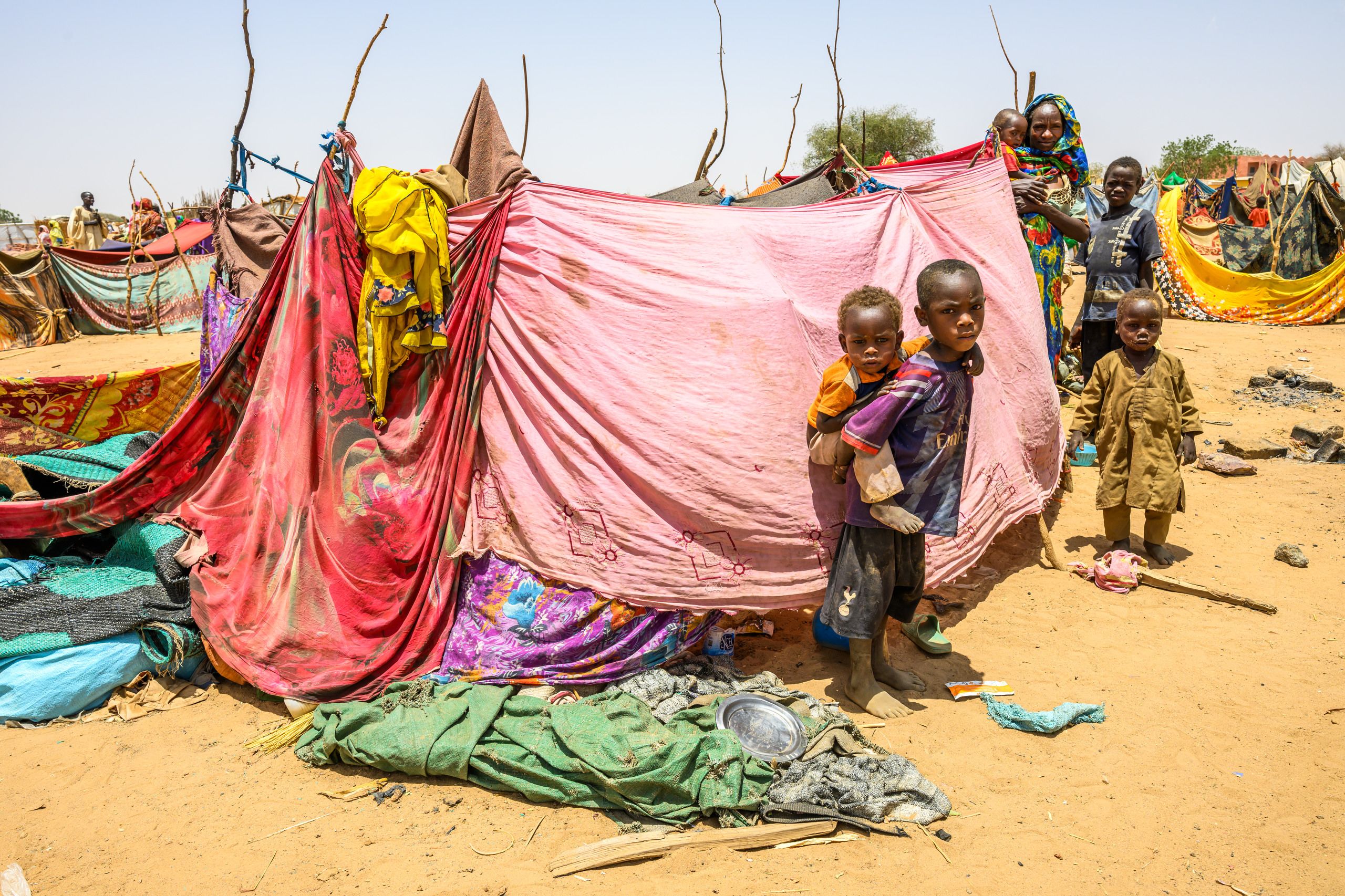
Entire communities have vanished from maps. In once-peaceful regions like Al-Jazirah, Sinnar and Kordofan, villagers now live in makeshift shelters or flee toward uncertain safety.
The RSF’s tactics such as extrajudicial killings, mass displacement, rape, and looting have erased livelihoods and dignity alike. But as global outrage grows, the Government of Sudan faces a barrage of accusations, claims that it has failed to protect civilians, or even colluded in the violence.
Officials strongly reject such allegations, calling many of them false, politically motivated, or based on hearsay rather than verified evidence.
Khartoum insists that the government itself is a victim of the RSF’s rebellion, not its partner, and that foreign media and some humanitarian organizations have rushed to conclusions without factual proof.
Sudanese authorities point to ongoing internal and international investigations as evidence of their commitment to transparency. “We will not run from the truth,” a senior official recently said, “but we also will not accept lies built on rumor.”
Women, Girls and Children Under Attack
Even amid these competing narratives, the suffering of Sudanese civilians remains undeniable. The RSF’s widespread use of sexual violence has turned women’s bodies into battlefields.
Human rights groups and local monitors have reported brutal attacks against women and girls, many as young as fifteen. Survivors recount stories of gang rape, abduction, and humiliation acts meant to terrorize entire communities.
One woman in Khartoum said she was held captive for thirty days and assaulted repeatedly. Others were raped in front of family members or targeted because of their ethnic identity. The government’s Unit to Combat Violence Against Women has verified over 1,300 confirmed cases of rape in RSF-controlled zones.
Authorities say their ongoing documentation process is meant not only to support victims but also to separate verified facts from politically manipulated claims circulating in international forums.
Starvation and Siege
The RSF’s cruelty extends beyond violence. By besieging cities like El Fasher, Kadugli and Dilling, the militia has cut off food, medicine and aid. Humanitarian convoys have been looted or burned, and drivers killed. Across besieged communities, children now die of hunger rather than bullets.
While some international organizations accuse the government of blocking aid, Sudanese officials maintain that RSF forces are the real obstacle, intercepting and diverting supplies.
They say such accusations ignore the logistical realities of war and the militia’s deliberate strategy of controlling aid routes to strengthen its bargaining power.
Hospitals and Schools in Ruins
Sudan’s health system is collapsing. The Ministry of Health reports that 250 of the country’s 750 hospitals are out of service, many destroyed, looted, or occupied by armed groups. Millions go without care, and patients die for lack of medicine or doctors.
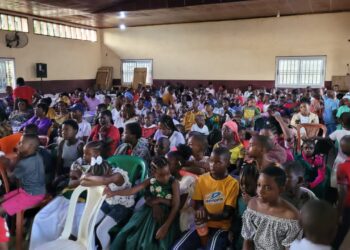
Education has suffered an equally devastating blow. Seventeen million children have been forced out of classrooms, their schools reduced to rubble or turned into military shelters.
In Khartoum alone, more than seven million children saw their schools shut down in a single day. Teachers have fled, and an entire generation’s future now hangs in the balance.
A Nation Displaced
The International Organization for Migration estimates that 11.3 million people have been displaced, 8.6 million inside Sudan and nearly 4 million in neighboring countries. In West Darfur’s El Geneina, RSF and allied militias reportedly killed thousands in ethnically targeted attacks, burning villages and raping women.
Government officials caution that many of the death tolls circulated online are not independently verified, emphasizing that some data come from “secondary or partisan sources.” They argue that exaggerated or politically loaded reports risk undermining legitimate efforts to bring the RSF and its collaborators to justice.
“We are fighting both a war on the ground and a war of narratives,” one government spokesperson said.
Counting the Cost
The war has devastated Sudan’s economy, with total losses estimated at more than 108 billion US dollars. Agriculture has lost over 10 billion, and 90 percent of the country’s industrial sector has been destroyed. Airports, factories, and water systems lie in ruins. Beyond these figures lies a deeper loss — of hope, of stability, and of unity.
Fighting Falsehoods with Facts
Sudan’s government insists that it is determined to clear its name through evidence-based investigations. Officials say that false accusations, spread largely through social media or misinformed international reports, have painted an unfair picture of state complicity.
To counter this, the government has set up independent committees to collect verified testimonies, forensic data, and satellite imagery to distinguish truth from rumor.
It has also invited regional and international observers to follow these investigations closely. The message, authorities say, is clear: Sudan will not deny its challenges, but it will not accept fabricated narratives built on hearsay either.
A Plea for Humanity
Behind every political statement lies human suffering, mothers searching for missing children, fathers rebuilding homes from ashes, and youth trying to dream again amid ruins. More than 50,000 people remain missing, and thousands more suffer in silence.
Observers say, Sudan’s war is not just about territory or power; it is about truth, dignity, and survival and the world should not remain guided by rumor instead of fact, because Sudan’s agony will not just be a national tragedy, it will be a collective failure of humanity.