

NAIROBI, Kenya 17 April 2024-/African Media Agency (AMA)/- According to a new report by Boston Consulting Group (BCG) entitled The Whole Truth about Whole Grains, there is huge opportunity in food system transformation, but it’s critical to change what is grown, processed and consumed thoughtfully and gradually.
Currently, most of the grains are stripped of the bulk of their important nutrients, and these “refined” grains are a substantial contributor to today’s diet-related diseases. Further, the way grains are produced globally has come to have a detrimental environmental impact.
A shift to growing and eating whole grains additionally fortified with vitamins and minerals (micronutrients) along with more diversified cereals, can address both the nutritional and environmental issues and enable moving toward much greater planetary and human health.
The nutritional deficits of refined grains—through the loss of essential vitamins, minerals, fibre, proteins, healthy fats, and phytochemicals—are not their only drawback. While meat production is responsible for greater carbon emissions per ton than grain production, the massive volume of grains grown every year translates to significant environmental damage.
According to a range of climate and nature metrics, grains have the biggest environmental impact of all forms of food production.
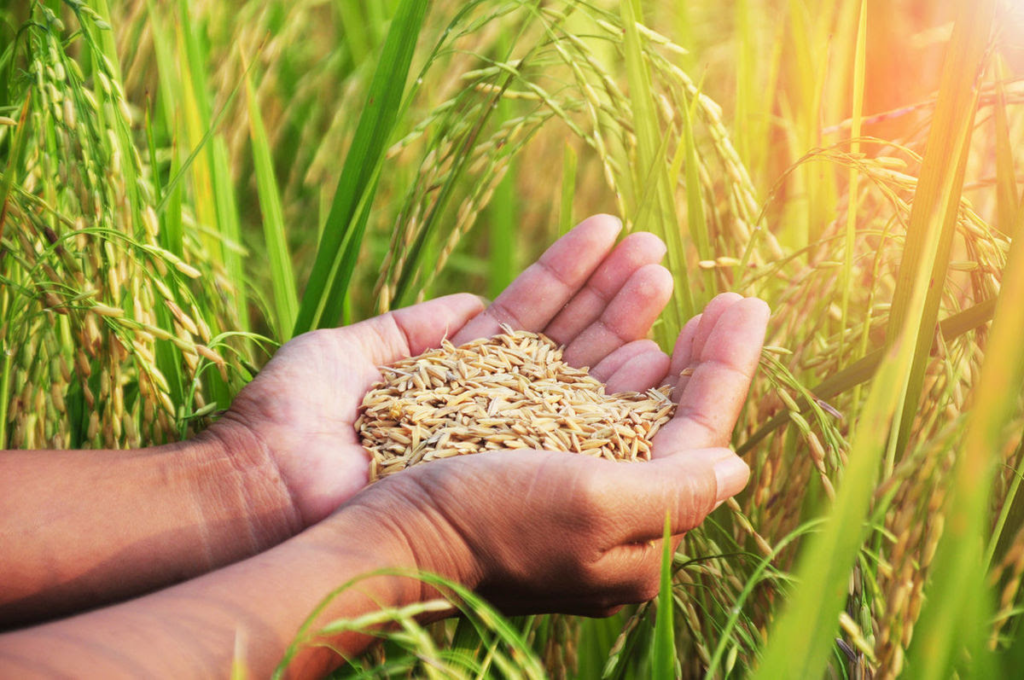
“Shifting to greater production and consumption of fortified whole grains can address food insecurity and environmental impact, as well as poor nutrition,” says report co-author, Zoë Karl-Waithaka, Managing Director and Partner at BCG, Nairobi.
Fortified whole grains deliver six to seven times the nutritional value as the same amount of a grain that is later refined. They provide greater nutrition with fewer inputs, reducing the environmental footprint by emitting fewer greenhouse gases and requiring less land and water to produce the same amount of food. By using fewer synthetic inputs, soil and ecosystem health improves, and the need for smaller parcels of land reduces deforestation and thus habitat and biodiversity loss.
“Shifting to fortified whole grains would take no additional resources than we use today to produce 20% more food for human consumption,” adds Karl-Waithaka.
When it comes to the sustainability of our food systems, experts have rightly paid significant attention to how crops are grown, including grains, weighing the benefits of using practices such as agroecology and regenerative agriculture. But another valuable tool is to make shifts in what is produced and consumed.
BCG’s analysis shows that growing, processing, and consuming fortified whole grains can have transformational benefits across a range of metrics. The firm’s research focused on the “big three”—wheat, corn, and rice—and compared their fortified whole form to their refined form.
Other findings include:
- Greenhouse gas emissions caused by global grain production are greater than the emissions of Russia, Brazil, and Germany combined.
- Only 26% of wheat and 3% of rice are fortified, and less than one-quarter of all grains are consumed whole.
- Fortified whole grains provides 6-7 times the nutritional value as the same amount of a grain that is later refined. They have 20% – 25% less impact on greenhouse gas emissions and land, water, fertiliser, and pesticide use per volume unit; and 85%-90% less environmental impact per nutritional unit.
- A 30% increase in the adoption of whole grains globally would result in a 120 million metric ton CO2e decrease in greenhouse gas emissions annually.
Next steps for all players
A full replacement of the refined versions of the grains eaten today isn’t realistic. In addition, the shift toward fortified whole grains should be gradual. Nonetheless, using more of these foods can be a dramatically effective tool in both mitigating and adapting to changes in climate and nature.
Players across sectors and value chains can seize this opportunity, although they must do so while being sensitive to the cultural contexts that define food preferences.
Governments can act directly by shifting institutional procurement to fortified whole grains, particularly for school meals. And they can take indirect action by enforcing existing fortification mandates and promoting legislation that requires subsidies or tax breaks to support the cultivation and fortification of whole grains and the use of environmental labeling.
NGOs can strongly encourage the production and consumption of whole grains and fortified whole grains. And they can encourage best farming practices and reductions in food loss and waste.
Companies can increase the share of whole grain products within their portfolios and incorporate higher percentages of fortified whole grains in new product lines as part of their net zero ambitions. To make this work, they must offer products that deliver comparable functional attributes—including shelf life, cooking characteristics, and taste—that consumers value in refined-grain products.
“Agriculture is a major contributor to change in the planetary boundaries that have already been crossed, with grains the biggest culprit among food crops. We need to shift to resource-efficient and cost-effective high-quality nutrition. Fortified whole grains offer a powerful solution for people and the planet,” says Karl-Waithaka.
The promise of wonder crops
Today, 52% of our food is sourced from only six plant species, with 50% of calories coming from rice, wheat, and corn. In many parts of the world, these crops have sidelined other largely indigenous and potentially more nutritional crops that used to be cultivated widely but now take up a much lower share of cultivated land—and of people’s diets.
In Africa, these “wonder crops,” particularly cereals such as millet, tef, fonio, and sorghum, are better suited to their environment. They’re less resource intensive, more pest and drought resistant, and more adapted to regional terrains than the big three.
Overall, wonder crops provide an opportunity to drive crop species and global diet diversity in a way that is environmentally efficient given the amount of nutrition they produce. Shifting to these crops will require more research to optimise their yield and promote their cultivation.
Says Karl-Waithaka, “there is huge opportunity in food system transformation. But it will be critical to change what we grow, process, and consume thoughtfully and gradually.”
Distributed byAfrican Media Agencyon behalf of BCG.
About Boston Consulting Group (BCG)
Founded in 1963, and with offices in over 50 countries, BCG’s diverse, global team comprising of 30 000 plus people bring deep industry and functional expertise and a range of perspectives that provide clients with management consulting solutions. Through its transformational approach aimed at benefiting all stakeholders, BCG empowers organisations to grow, build sustainable competitive advantage and drive positive societal impact. For more, go to www.bcg.com.
BCG is well established in Africa, with offices in: Cairo, Casablanca, Johannesburg, Lagos, and Nairobi, bringing together a team of nearly 600 collaborators. For more about BCG in Africa, go to www.bcg.com/Africa.
The post The whole truth about whole grains appeared first on African Media Agency.