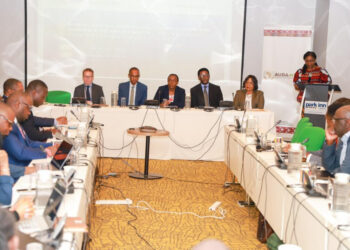
LONDON, England, 24 April 2024, /African Media Agency/- Renewable Energy is one of the hottest investment spaces in Africa and AFSIC – Investing in Africa 2024 will continue to highlight important discussions from top companies on the topic in our Sustainable Development stream sponsored by Executives in Africa and our Powering Africa stream: www.afsic.net/agenda. We’ll listen to voices from the investors: AIMS international, US International Development Finance Corporation, African Development Bank, Rand Merchant Bank, Norfund, Catalyst Fund, Gemcorp, GIZ, as well as sustainability change-makers: Empower New Energy, Pylon,Sun King and Climate Action Society.
We interviewed one of our top renewable energy investment & corporate advisers from AFSIC 2023 as well as an exciting renewable energy project that pitched their investment opportunity at AFSIC 2023 for some insight into the variety of topics and projects one can expect to see when attending AFSIC 2024.
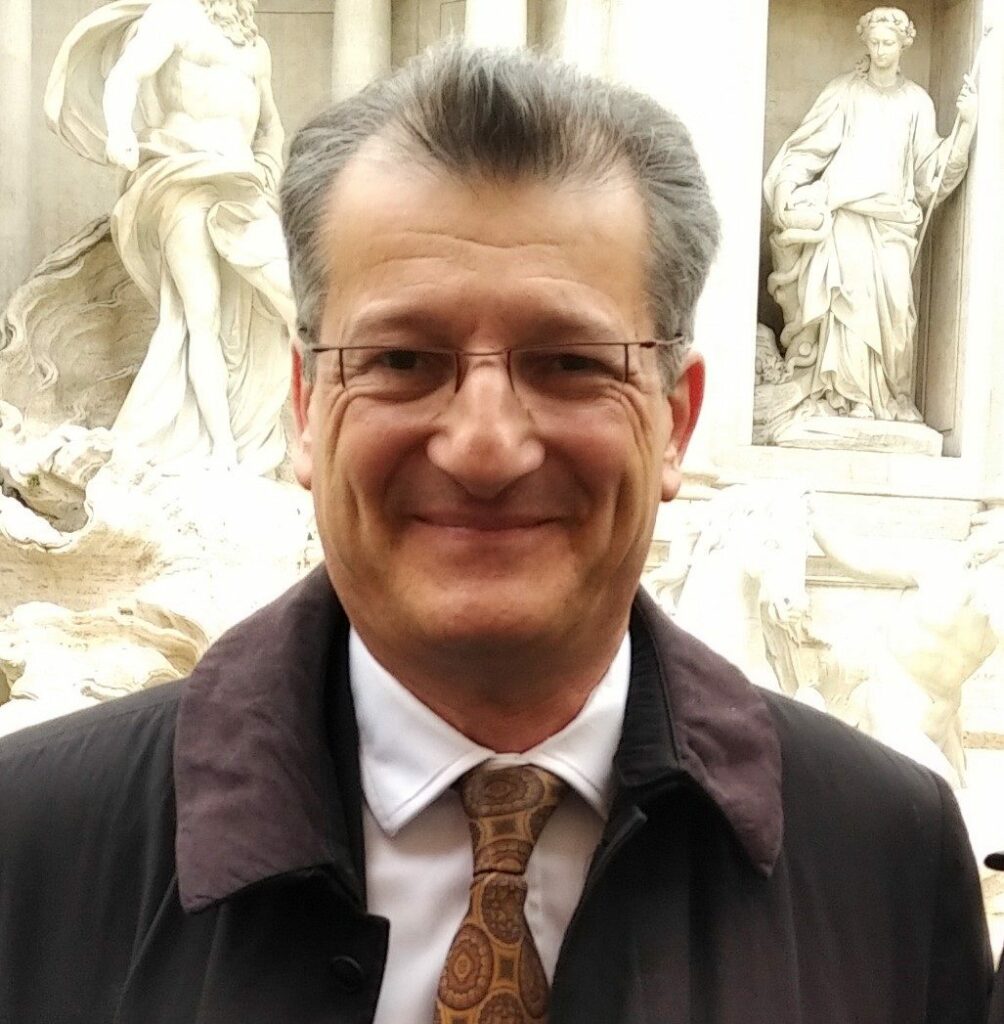
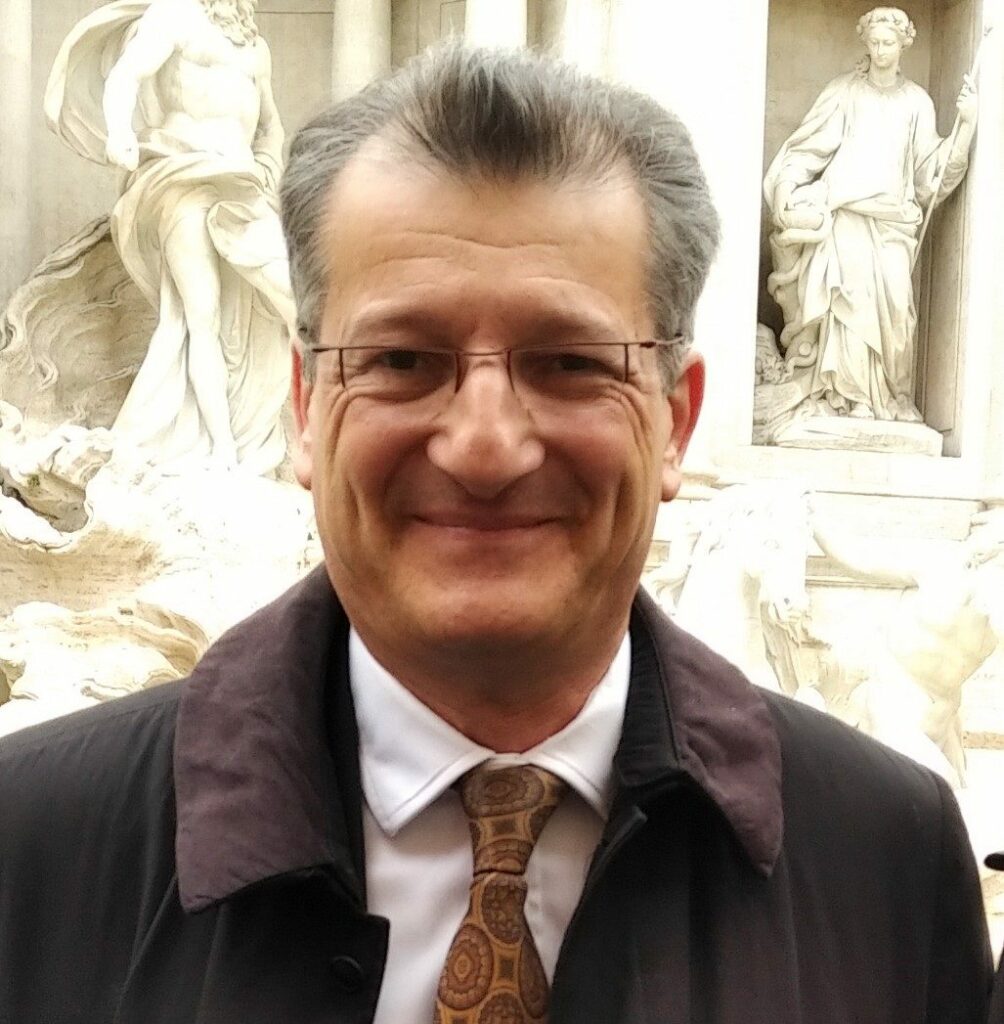
We interviewed Jonathan Berman from Autonomi Capital who has 35 years of experience financing energy, infrastructure & resource sectors in Africa.
As someone with 35 years of experience financing energy, infrastructure & resource sectors in Africa, what trends have you seen in Energy Project’s in Africa over the past few years?
The renewables revolution has transformed the energy sector in Africa, in some ways even more radically than in other parts of the world. This is not only because it provides cleaner power – many African Governments would argue that increasing energy supply matters more than the green agenda, given Africa’s small contribution to CO2 emissions and pollution relative to developed and other major economies, and its extraordinarily low energy consumption per capita. Most importantly, the decentralised and modular approach that new energy technology makes possible enables energy projects to be financed faster and in a far wider range of locations, often without the need for Government or state-owned utilities to play the leading role in procurement or power purchasing. Additionally, it enables Africa to tap into the full range of its very competitive energy resources, solar in particular, but also wind, as well as established clean technologies such as hydro and biomass.
That said, we are not seeing nearly enough total investment in MW terms. Energy supply is only just keeping up with population growth, which means it is falling behind as a % of GDP, let alone catching up on the years of underinvestment. This remains a massive challenge, and we need to find solutions for large scale investments in generation and transmission. Deteriorating sovereign risk ratings are partly responsible, but more widely we need to reconsider energy market design and attract significant capital beyond the development finance community, who still underpin the majority of investment.
How does your company approach partnerships with local businesses and governments to foster economic development in the African regions where you operate?
Even though we are just South Africa and UK based, as advisers a significant proportion of our clients are local businesses and governments across the region, and our team are from several nationalities. We have done business in over 15 countries so far and will consider work almost anywhere with a commercially viable proposition. We plan to continue to assist local entities in attracting investment in energy, which is probably the single most important sector needed to unlock broader economic development. In addition to new capital investment, we see a trend towards citizen empowerment transactions in many countries in the region, which we support inraising capital and other advisory services, building on our experience in South Africa.
Considering the evolving global economic landscape, how does your organization plan to adapt its investment strategy in Africa in the coming years?
We will continue to do business wherever capital can be raised, but the high interest rate environment has made this more of a challenge, as well as some aspects of global geopolitics. Thankfully most of Africa remains free of armed conflict, and the trend towards more sophisticated economic management and open markets seems set to continue. All of us in the sector just need to pick up the pace of dealmaking!
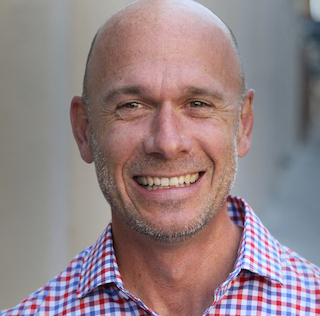
William Brent from Husk Power Systems the leading rural energy services company in weak-grid and off-grid communities in Africa and Asia. Husk provides reliable, quality, 100% renewable power to businesses, households and institutions.
Can you talk to us a bit about the renewable energy space within Africa and how you’re working towards ending energy poverty.
Nearly 700 million people in Africa still live without electricity, and minigrids have the potential to solve this problem for half of them, according to the World Bank. Husk Power pioneered the minigrid over 15 years ago, and now has about 300 in operation, with a target of 2,500 in Africa by 2030. Nigeria is our focus market, where 90 million people lack energy access.
What challenges do you face as a developer of renewable energy in Africa?
- Mature policy and regulatory frameworks are still lacking in many countries; but also political will is often absent, and equally as critical;
- Lack of integrated solutions – currently three are 4 lanes for electrifying Africa – grid extension, minigrids, solar home systems and productive uses. If we’re taking a customer first approach, these lanes need to merge.
- Speed of deployment – the current rate of projects is far too slow to achieve universal electrification by 2030. Governments need to streamline permitting, and implement single window and batch approvals. Funders need to pool and blend capital, take more risk and learn how to move faster
- Access to the right type of finance – sufficient local currency debt, that is long-term and affordable is lacking; also lack of equity for the “valley of death” between early stage andgrowth stage,
- People – competition is fierce for the best talent, especially women.
Why would investing in renewable energy in Africa be a good strategic move for investors looking to invest in Africa?
Africa is home to some of the fastest growing economies in the world. Electricity infrastructure and adjacent businesses are critical in ensuring that growth, and therefore a long-term investment opportunity. Companies like Husk Power have proven the commercial viability of the minigrid market (announcing EBITDA positive in Q4 2022), and raised a $100 million Series D in late 2023. The company is aiming for an IPO in 2027.
Can you talk to us about the Just Energy Transition and how Husk is contributing to this transition from Fossil Fuels in a fair way prioritizing economic, racial, and gender justice?
Husk Power operates in communities that are dominated by expensive and polluting diesel generation. For every minigrid we build, we are displacing dozens if not hundreds of diesel generators (and monetizing avoided emission on the voluntary carbon market). Helping our customers transition from diesel to solar saves them about 50% on their monthly energy bills, unlocking capital to invest in expanding their businesses with sustainable energy.
How does Husk support local communities and contribute to social development as part of your business strategy in Africa?
Husk Power is by definition a community-based energy solution. We build, own and operate solar minigrids that will serve those communities for at least 20-25 years, providing them opportunities for increased productivity, higher incomes, internet connectivity, better healthcare and education outcomes, improved safety and much more. We power health clinics, schools, and install street lighting in the communities we serve.
Both Jonathan and William will be part of an excellent, well qualified group of speakers at AFSIC – Investing in Africa 2024 as dialogue focuses on nurturing investment and collaboration across the investment value chain and driving sustainable growth in Africa.
Register now to take advantage of our early bird rate www.afsic.net
Distributed by African Media Agency in partnership with AFSIC- Investing in Africa
About AFSIC – Investing in Africa:
AFSIC – Investing in Africa has become perhaps Africa’s most important annual investment event.
The event is owned by Africa Events Limited. AFSIC is wholly focused on accelerating Africa’s economic emergence by matching investment opportunities in Africa transforming Africa’s business,
trade and investment environment, growing Africa’s economy, reducing poverty, and increasing African incomes in all business sectors at a continental scale across all 54 countries in Africa.
African Investments Limited (www.africaninvestments.co), a sister company to Africa Events Limited, operates two multi award-winning digital platforms, the African Investments Dashboard which matches investment opportunities to our global network of institutional investors and the Africa Business Opportunities Dashboard, which matches business, trade and investment opportunities across Africa covering all business products, sectors, countries in Africa and multiple business objectives. The digital platforms won the global 2022 Salesforce Partner Innovation Award for Financial Services.
Media contact:
Olivia Atenborough, Head of Digital Strategy, olivia@africaninvestments.co
Resources:
www.afsic.net
www.africaninvestments.co
The post Renewable Energy: The Hottest Investment Space in Africa? appeared first on African Media Agency.