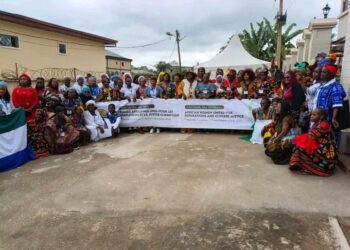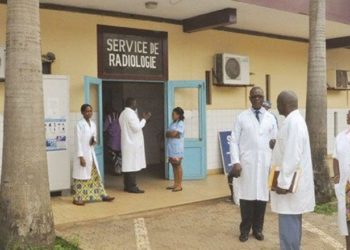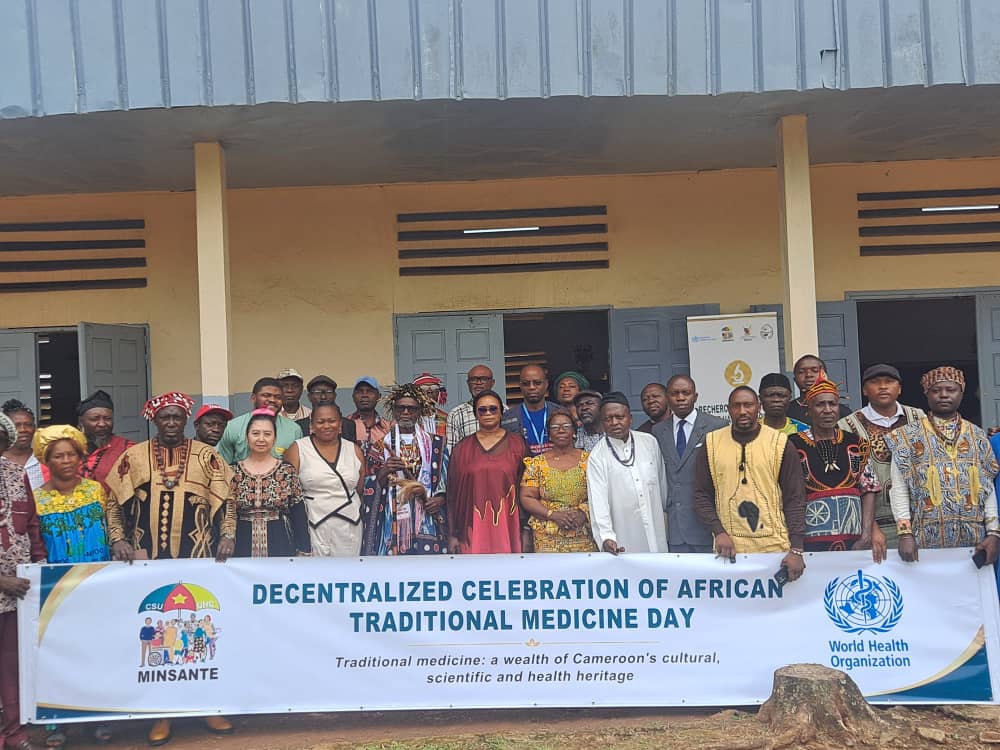
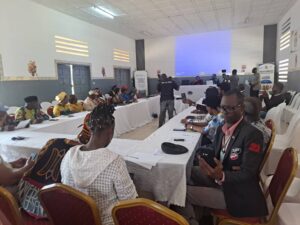
In a packed conference hall at Jamot Hospital in Yaoundé, health authorities, researchers, civil society representatives, and traditional healers gathered for a pivotal regional workshop. Organised on September 4, 2026, by the Centre Regional Delegation of Public Health in collaboration with the World Health Organization (WHO) Cameroon Country Office, the gathering marked the official celebration of the 24th African Traditional Medicine Day.
Across Cameroon, indigenous remedies have quietly saved lives for generations. Yet, without systematic clinical research, standardized dosing, and institutional integration, these essential therapies have long remained isolated from formal healthcare frameworks.
Held under the theme “Reflection on research and development efforts in traditional medicine for the implementation of universal health coverage in the African Region,” the event highlighted critical momentum following the promulgation of Law No. 2024/018 on December 23, 2024, by President Paul Biya. This legal framework formally recognizes traditional health practitioners and lays the groundwork for establishing a National Council of Traditional Health Practitioners.
This momentum directly aligns with the strategic vision of the World Health Organization. Under its global and regional traditional medicine directives, the WHO actively guides Cameroon in building a rigorous research and development ecosystem.
Rather than viewing traditional healing as an informal fallback, the WHO envisions a modernized sector where indigenous knowledge is scientifically validated through clinical trials, bio-equivalence testing, and rigorous safety controls. By technical assistance and policy alignment, the WHO is supporting national institutions to transform raw botanical resources into standardized, locally manufactured phytomedicines, accelerating Cameroon’s journey toward Universal Health Coverage.
Presenting his thesis research on operational pathways for integrating traditional medicine into Universal Health Coverage (UHC), Dr. Gidiun Peliegho emphasized the indispensable role indigenous care plays across the continent.
“Integrating traditional medicine fully within our health system is going to enhance a complete touch on universal health coverage,” Dr. Peliegho explained.
“Because we cannot be talking universal health coverage—which is accessibility, reduced cost, and quality—without taking into consideration a part of the health sector that covers more than 80% of the sub-Saharan population.”
Dr. Peliegho further noted that scientific partnerships, specifically with the Institute of Medical Research and Medicinal Plants Studies (IMPM) under the Ministry of Scientific Research and Innovation, have significantly upgraded product safety and elevated standards.
“It is high time for the population to trust our traditional medicines,” Dr. Peliegho urged. “Traditional medicine in the 21st Century is not like yesteryears. Today, we have profited from mechanisms put in place by the government to train traditional health practitioners.”
Addressing the current legal progress, Dr. Tonfack Joelle, Focal Point for Traditional Medicine at the Centre Regional Delegation of Public Health, clarified where the country stands in moving from legislation to practice.
“Traditional medicine in Cameroon was not sufficiently regulated until recent years. Now, we can be proud of ourselves regarding the law that was passed to frame traditional medicine,” Dr. Tonfack stated. She added that statutory implementation decrees are currently being drafted, reassuring all stakeholders that traditional healers are fully included in the nation’s healthcare vision.
This vision was strongly echoed by Dr. Fai Fominyen Ngu Edward, long-time practitioner and President of the Association of Cameroon Traditional Medicine Practitioners, who expressed deep pride in the growing national recognition and formalization of their field. Furthermore, representatives from WHO and the Technical Regional Group of the Expanded Programme on Immunization (GTR-PEV) conducted orientation sessions to train traditional practitioners on vaccine-preventable disease surveillance and reporting, turning healers into crucial front-line disease monitors.
With over four-fifths of the population depending on natural remedies, modernizing research and development in Cameroon demands urgent humanitarian and technical support. Upgrading regional public health laboratories with specialized extraction and analytical equipment is essential to isolate active plant compounds, verify safety, and establish precise dosing protocols. Funding ethical clinical trials, establishing intellectual property safeguards for forest communities, and finalizing regulatory statutes are vital steps toward safe, standardized treatments.
Without international backing, groundbreaking local research risks stalling at preliminary stages. Global health donors, research foundations, and humanitarian aid organizations have an unprecedented opportunity to intervene. Investing in Cameroon’s traditional medicine research and development is a life-saving strategy that empowers local scientists and practitioners to deliver safe, affordable, home-grown health solutions for millions.
Story, Louvier Kindo Tombe