Story, Louvier Kindo Tombe
Now, these vast green spaces are shrinking faster than ever.
Between 2000 and 2025, the Earth lost 15% of its intact forests. That is 195 million hectares gone in twenty-five years, an area the size of Mexico. The problem is not just how much forest we lost, but how fast it is happening. Twenty years ago, we were losing about 7 million hectares a year. Today, that number has jumped to over 9 million hectares every year.
Wildfires Are Replacing Logging as the Biggest Threat
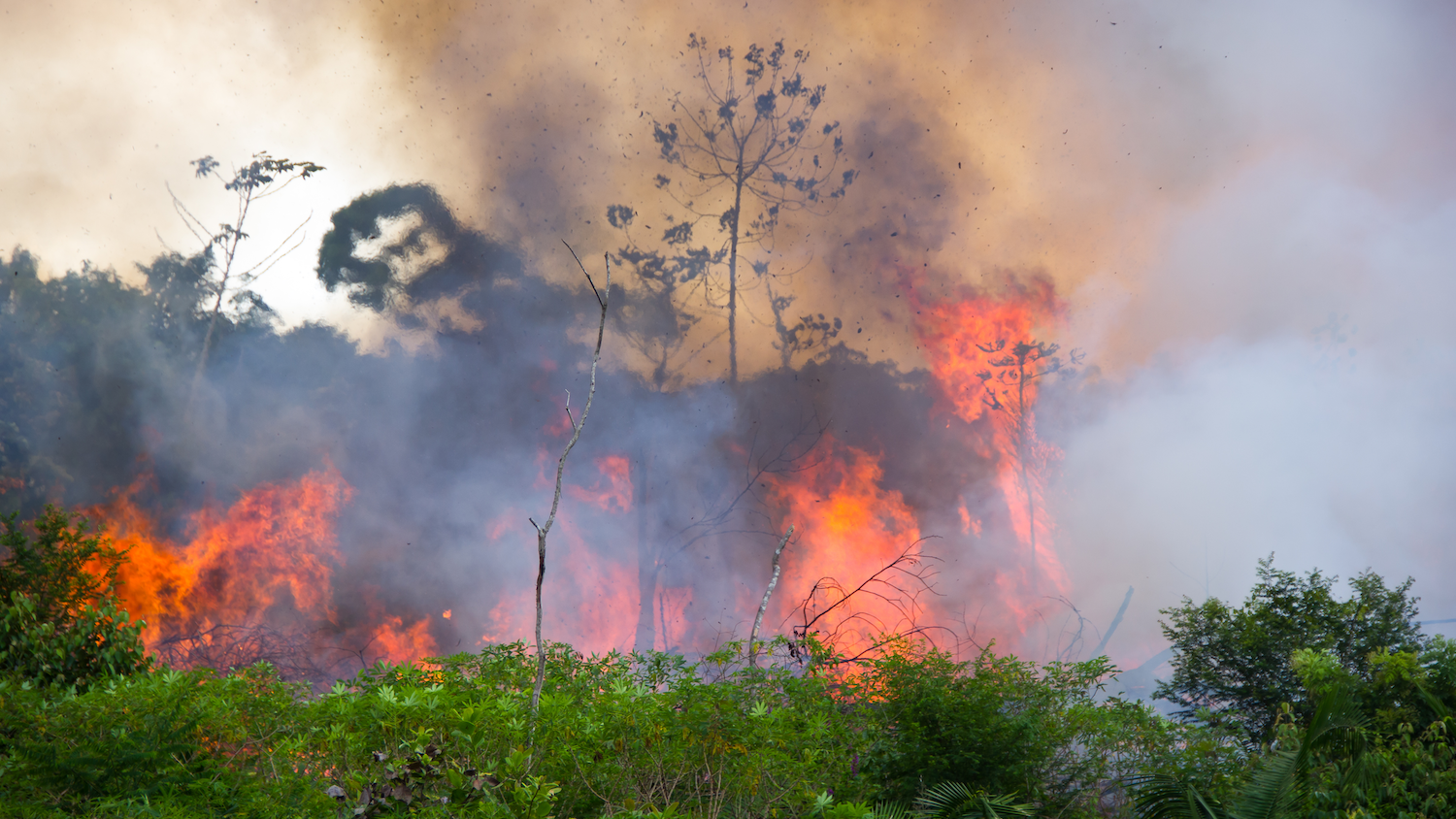
For decades, the biggest danger to forests was clear: loggers and farmers cutting down trees. Over the last few years, however, the main cause of damage has shifted dramatically. Between 2020 and 2025, fires set by human activity became the top reason intact forests broke apart, causing nearly 40% of all forest losses. Logging came in second at 20%, followed closely by mining and oil drilling at 19%.
How does a deep, untouched forest catch fire? It usually starts with a road. When companies build roads for logging, mining, or farming, people gain easy access to deep parts of the woods. People bring campfires, heavy machinery, and agricultural burning into these remote areas. When combined with hotter, drier weather from climate change, a single small fire near an access road can quickly burn down millions of trees.
Where the Damage Is Happening
This loss is happening across the globe, but three countries hold most of what is left: Russia, Brazil, and Canada. Together, they account for over 65% of the world’s remaining intact forests, but they have also suffered the heaviest damage since 2000. Russia lost 53 million hectares as oil and gas projects pushed deeper into cold northern forests. Brazil lost 33 million hectares to cattle farms, crops, and wildfires in the Amazon basin. Meanwhile, Canada lost 29 million hectares, mostly driven by unprecedented wildfire seasons.
In smaller countries, the destruction is even more absolute. Romania lost all of its intact forests by 2013, while Paraguay lost more than 80% of its intact wilderness areas. In nations like Laos, Liberia, and the Central African Republic, local communities have watched more than half of their pristine woods vanish in just twenty-five years.
Why Broken Forests Cannot Be Replaced
Once a road cuts through a big forest, it stops being “intact.” Dividing a forest into smaller pieces ruins how the entire ecosystem works, and a broken forest simply cannot do the heavy lifting of an untouched wilderness.
Intact forests pull massive amounts of carbon dioxide out of the air, with tropical intact forests storing three times as much carbon as damaged ones. Northern forests also keep deep frozen soil cool; when these woods burn or break apart, the ground warms up and releases locked-away greenhouse gases into the atmosphere. Furthermore, more than half of all land animals live in tropical forests, where large, unbroken areas provide the space they need to roam, eat, and raise their young safely.
What We Can Do to Stop It
We do not have to lose the rest of these forests, as practical solutions can make a immediate difference. First, supporting local communities is essential, since nearly 60% of intact forests are on lands managed by Indigenous groups. Studies consistently show that forests stay healthiest when these communities have full legal rights to protect their territory.
Second, creating real protected areas offers strong defense, as legally protected forests suffer less than half the damage of unprotected ones, even though only 37% of intact forests currently hold this status. Finally, stopping fires near roads by limiting new development into deep wilderness and quickly putting out small burns near industrial sites can stop widespread destruction before it starts. Intact forests are natural protection systems for our planet, and keeping them whole is one of the most effective ways to protect our environment for the future.